
My approach connects lifestyle medicine, circadian science, and systems thinking to understand how daily routines and the environments around us can better support health.

THE PROBLEMHealthy choices need supportive conditions.
Advice to eat well, move more, or sleep better has to fit into someone’s life. Work schedules, food access, opportunities for movement, and places to rest or connect all influence what is possible each day.
I look at how these conditions work together. Whether I’m reviewing a project, developing education for a clinic, or supporting an individual, the aim is to translate science into practical changes that make healthier living easier.
THE METABOLIC HEALTH WAY
Lifestyle-related chronic diseases develop over years through patterns of how we eat, move, sleep, and respond to stress.
-
Start with the people, their needs, and the conditions shaping daily life. Consider what is already working, where difficulties arise, and what can realistically change.
-
Bring lifestyle medicine and circadian science into the picture. Consider how daily behaviors, their timing, and the surrounding environment interact.
-
Identify useful changes and priorities. Translate them into education, routines, or design and programming recommendations that fit the people and setting.
THE APPROACHThe 6 Pillars of Lifestyle Medicine
The six pillars provide a foundation for understanding how daily life supports health. My approach considers how motivational, behavioral, timing, and environmental principles work together, and what helps people put behavior into practice, from personal routines to the design of spaces.
-
![Baskets of fresh apples, eggplants, zucchinis, radishes, lettuce, cauliflower, broccoli, and other vegetables at a farmer's market.]()
PILLAR 1: NUTRITION
The body processes food differently across the day. Meal timing is part of the metabolic picture alongside food quality and quantity. Trials of time-restricted eating show improvements in glucose regulation, making meal schedules a meaningful part of program design.
-
![A satin eye mask with an elastic band, lying on white bedsheets, with crumpled white fabric in the background.]()
PILLAR 2: SLEEP
Hours slept tell only part of the story. In a study of more than 60,000 adults, sleep regularity predicted mortality risk more strongly than duration. Schedules that protect consistent sleep and wake times deserve attention alongside sleep itself.
-
![A woman running in workout attire against a plain white background.]()
PILLAR 3: EXERCISE
Exercise is also a timing signal. Its effects on biological rhythms and sleep depend on when and how intensely we move. That makes activity scheduling a design consideration, with individual rhythms and recovery informing the plan, rather than one universal “best time.”
-
![A woman with closed eyes and relaxed facial expression receiving a head and neck massage from multiple hands.]()
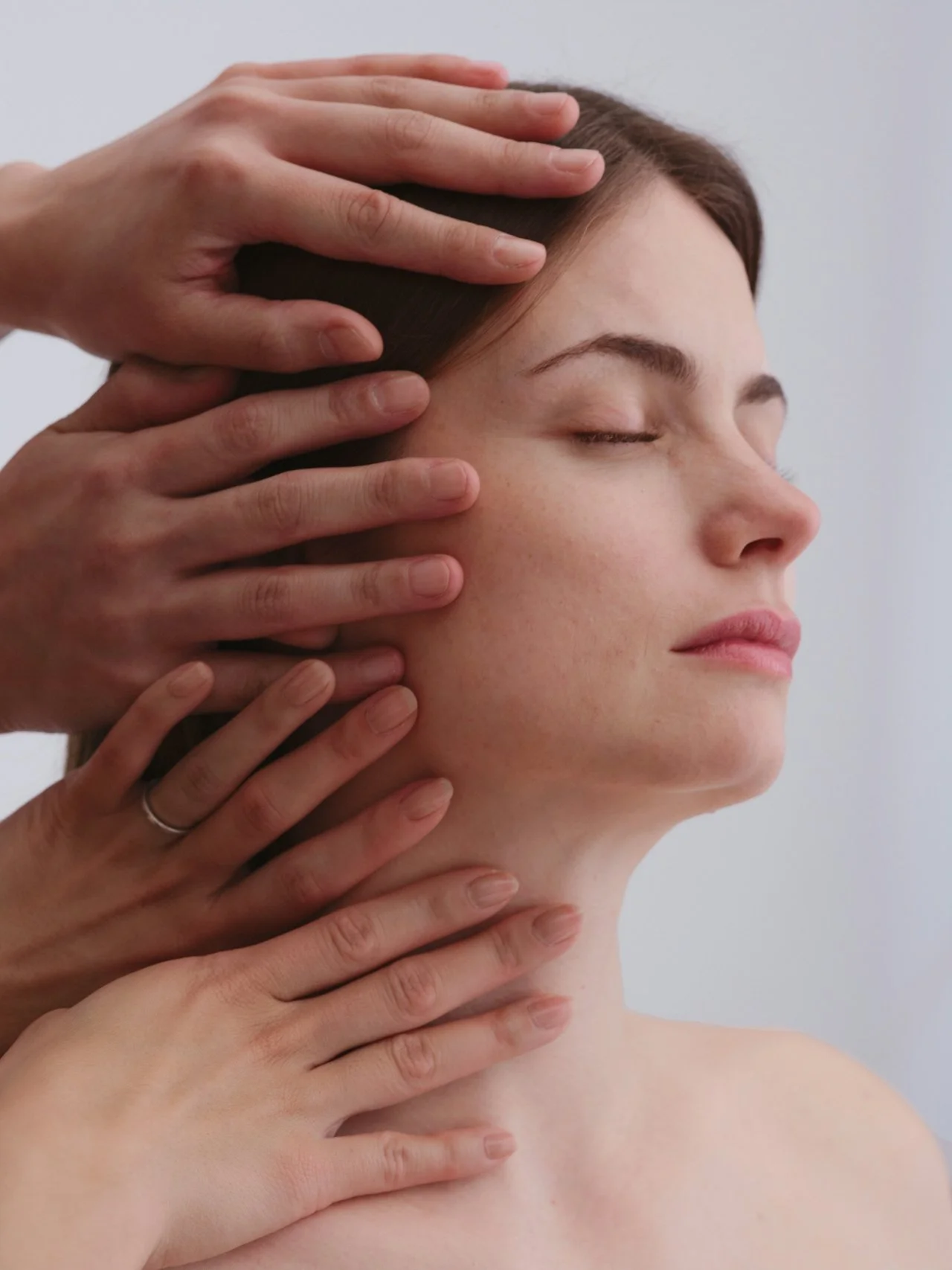
PILLAR 4: STRESS MANAGEMENT
Stress can follow us into the night. Cortisol normally falls toward bedtime, but prolonged stress-system activation can keep evening levels elevated and interfere with sleep. Disrupted sleep can then amplify that activation—a feedback loop connecting daytime stress with nighttime recovery.
-
![A person holding a glass of red wine against a plain white wall, casting a shadow.]()
PILLAR 5: SUBSTANCES
What keeps us alert or helps us unwind can reshape the night. Caffeine blocks sleep-pressure signals; falling nicotine levels can trigger overnight withdrawal and awakenings in dependent users; evening alcohol can suppress REM sleep. Dose, timing, and dependence all matter.
-
![People sitting at a dining table enjoying a meal with various dishes and drinks, viewed from above.]()
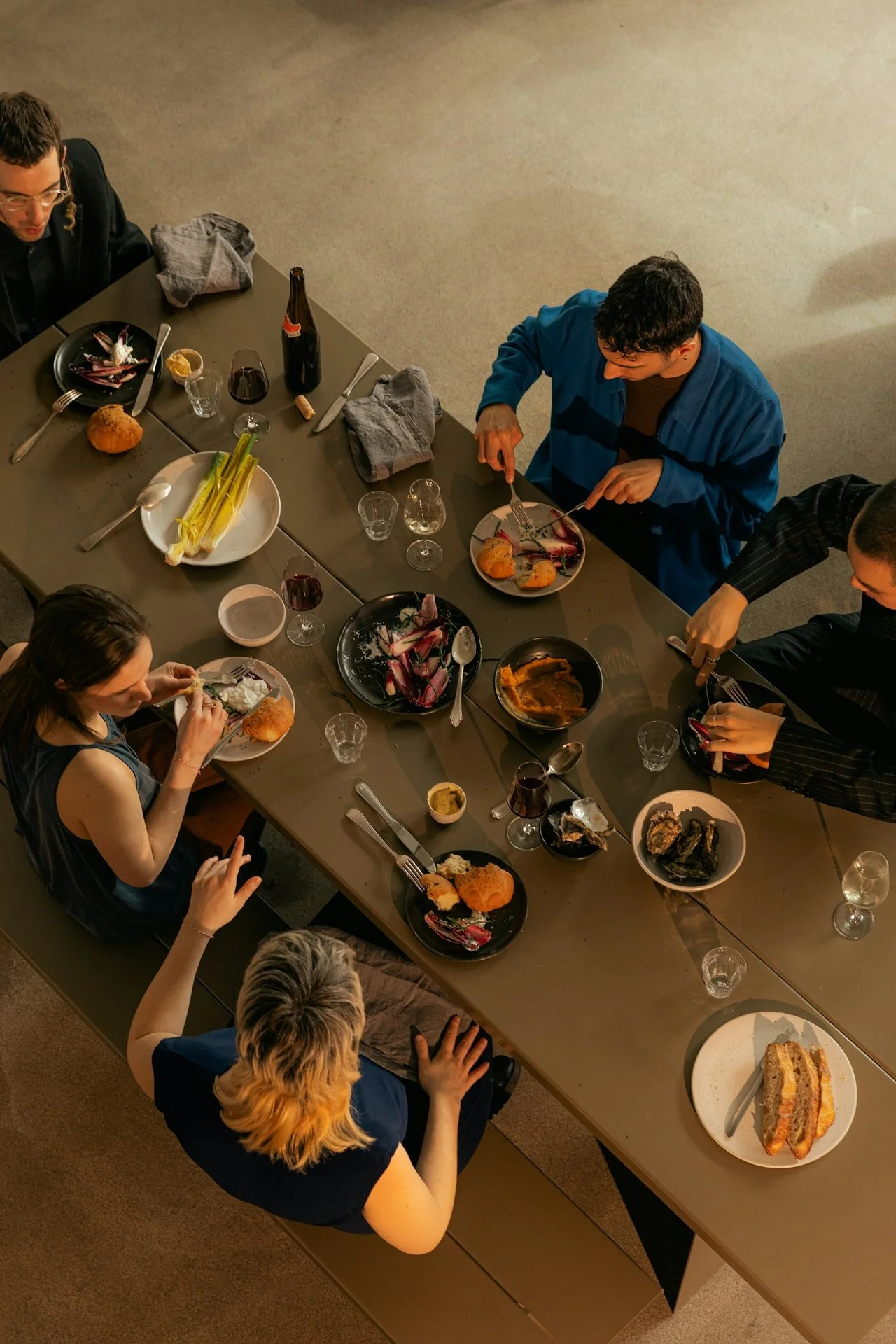
PILLAR 6: SOCIAL CONNECTION
Connection belongs in the health equation. The U.S. Surgeon General’s 2023 advisory compared the premature-death risk associated with inadequate social connection to smoking up to 15 cigarettes a day. That makes opportunities for belonging a meaningful consideration in how we design places and daily life.




Why I started
The Metabolic Health Lab
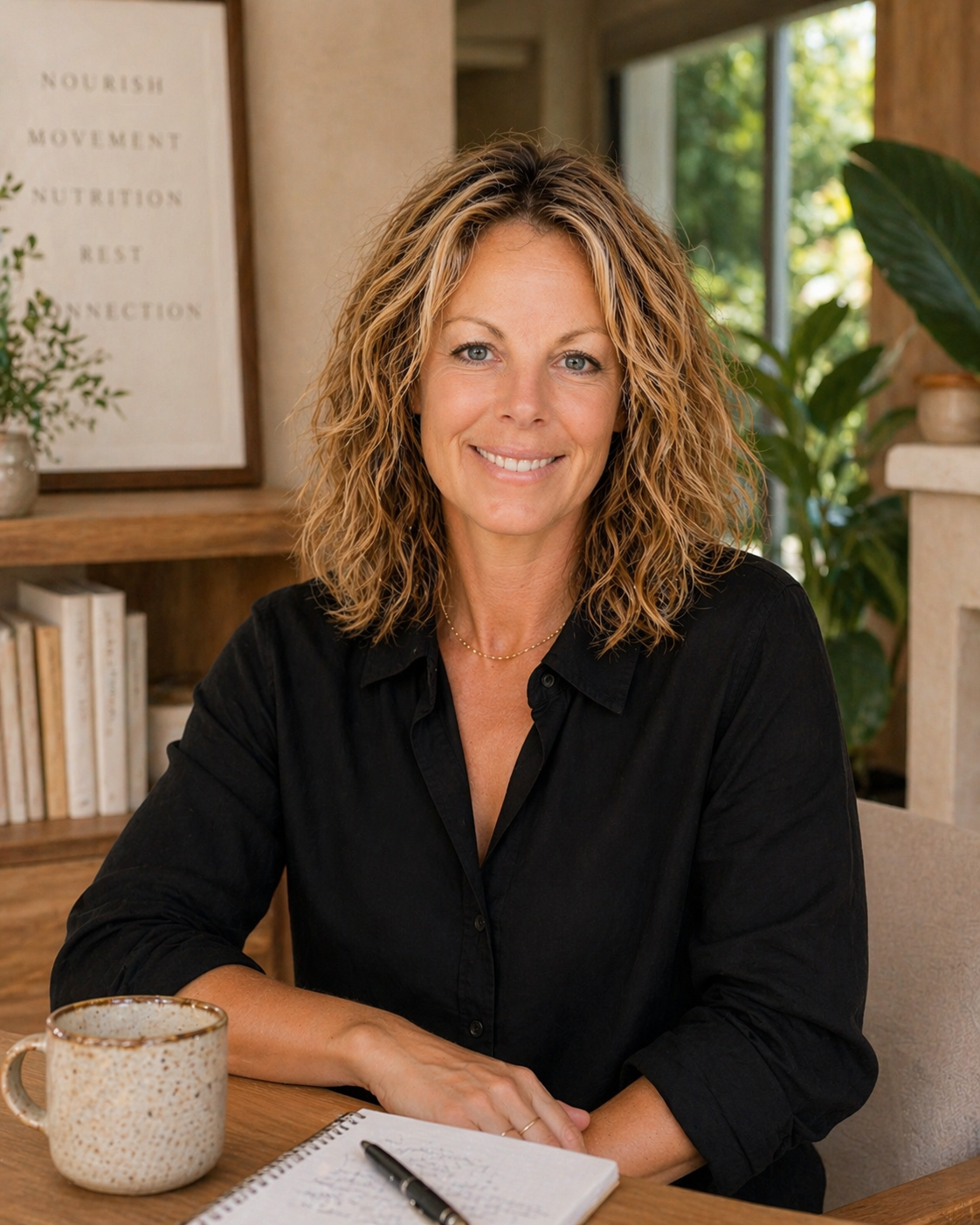
For nearly two decades, I worked in corporate risk management and disaster recovery, helping global organizations identify vulnerabilities, build resilience, and prepare for the unexpected. That work taught me to think in systems: to look beyond the immediate problem, understand what drives it, and create conditions that make people, processes, and places more resilient.
My path into health began with a deeply personal loss. Within a single year, I lost my best friend to metastatic cancer and my father to chronic disease. I watched them move through a medical system focused largely on diagnoses and prescriptions, with little attention paid to the everyday behaviors and environmental factors that shape health over time.
Years later, while studying the causes of chronic illness in graduate school, I was introduced to Lifestyle Medicine and began to understand how profoundly daily behaviors influence disease. As an athlete, I already knew this connection firsthand: what we eat, how we train, how we recover, and how we live can fundamentally change how we perform.
Along the way, I also became drawn to circadian medicine, which looks at how the timing of sleep, light, meals, and activity affects our health. What I find most compelling about both fields is that they recognize health is shaped not only by what happens in a doctor’s office, but by what happens every day.
This perspective brought my two worlds together. Today, I focus on creating environments that make healthy choices the easier choices, supporting disease prevention, better health, and, where possible, disease reversal.
I believe medicine is evolving toward a more proactive, behavior-based model: one that looks upstream, addresses root causes, and uses lifestyle and environment as powerful tools for restoring health and reducing unnecessary reliance on medication.
My philosophy is simple: health isn’t only something we treat. It’s something we create through the conditions in which we live, work, eat, move, sleep, and recover.